What Is Media Architecture Design?
The design methodology best suited to creating digital anchor tenants.
Designing architecture and media together.
Nov 3, 2026
Immersive spatial media spreads video, light, and sound across a space so that visitors feel as if they have stepped inside a scene. To make that experience a defining feature of a place, the first questions are who the space is for, what visitors will see, and how they will spend time there. The building's form and circulation are then designed around that experience, together with the media technology that delivers it and the content programming and operations after opening.
A place where spatial media defines the location and gives people a reason to visit is a digital landmark. Apollon calls the design method for creating such places Media Architecture, a concept it introduced in 2020 as the first in Korea and has continued to develop since.
Designing space around media
In the past, media was often fitted to a building whose form had already been decided. Even under those conditions, content alone can put a place on the map. WAVE at COEX in Seoul, created by d'strict, is a well-known example. A giant wave rendered on a screen installed to follow the building's shape turned an advertising display into a city landmark.
Outdoor digital signage on existing buildings is usually mounted flat along the facade or wrapped around a corner. Content can still create new experiences, but viewing positions and circulation are limited by the existing spatial layout.
How, then, can spatial media create a more distinctive landmark?
Nature Wow: designing a waterfall with architecture and media
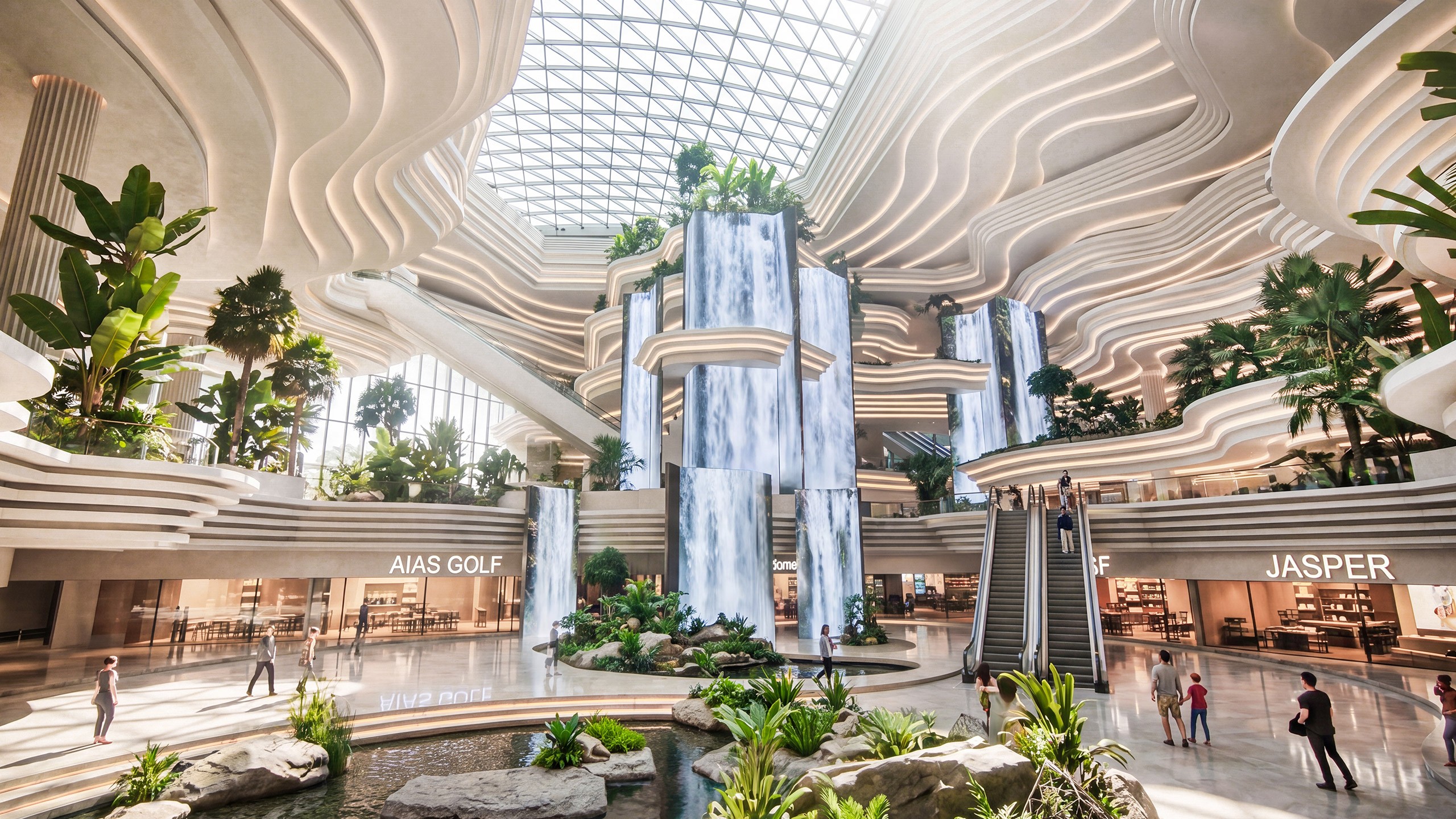
Trendy•Youth Town, a mixed-use resort in Busan, is one of the key projects that illustrate Apollon's approach to media architecture. Apollon designed the media architecture for the space in collaboration with Samoo Architects & Engineers, which was responsible for the architectural design. Nature Wow began with the architects' concept of a canyon. The developer wanted a space with a massive cascade, like the Rain Vortex, the indoor waterfall at Jewel Changi Airport in Singapore. Building a real waterfall, however, would have meant heavy capital and operating costs (CAPEX and OPEX). Working with the architectural design team, Apollon refined the building's form and designed an experience close to a natural waterfall by connecting a media waterfall to a real pond and landscaping.
Because the view changes at each entrance to the mall lobby, the architectural massing and media placement on every floor were designed so that the waterfall appears three-dimensional from any direction. The design is intended to make the streams on screen appear to flow into the physical water surface, with planting softening the boundary between them, so that the virtual and the physical read as a single landscape. Photo spots were also planned so that visitors can capture different views of the waterfall from multiple positions and angles.
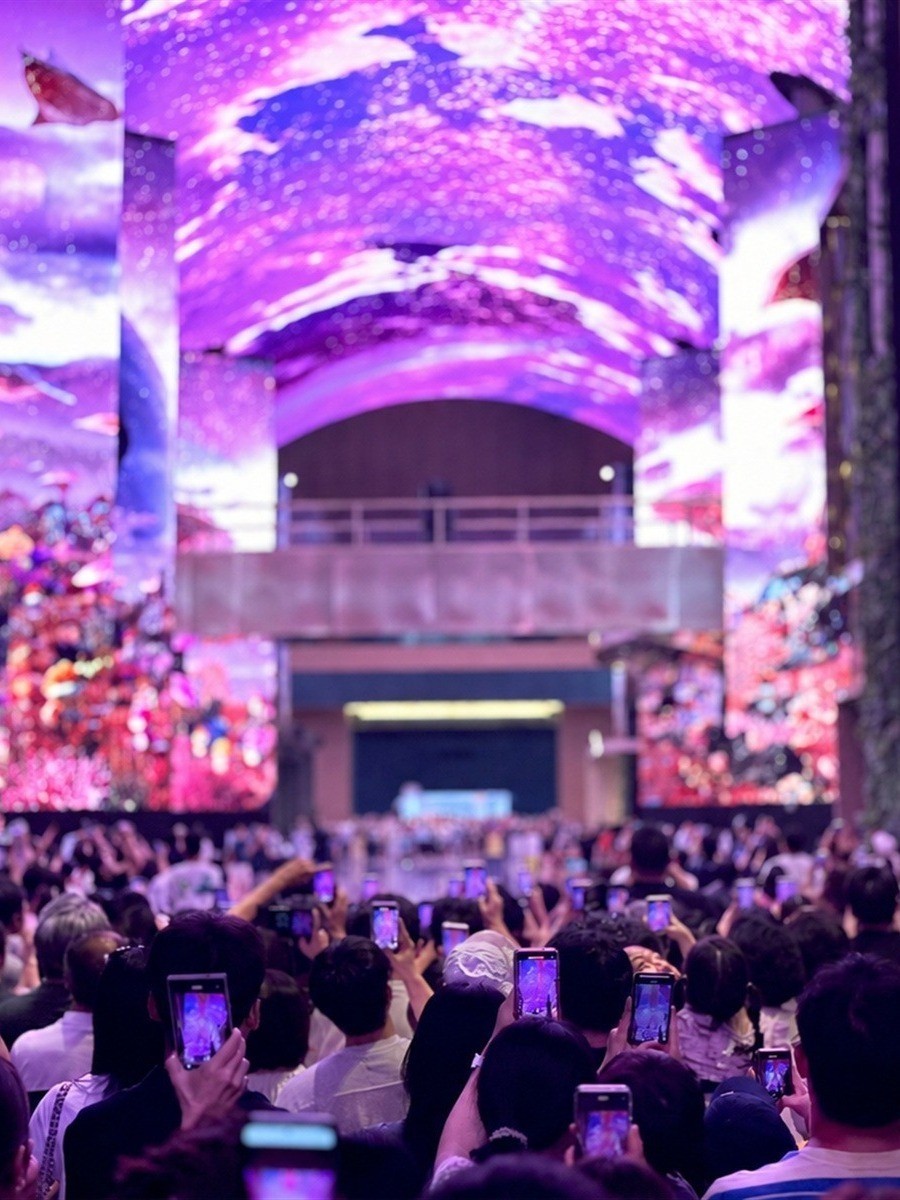
The planned operating program includes a range of content as well as media shows at set times. As at Aurora at Inspire Resort, the space was planned for visitors to gather and stay for each show. Viewing positions and circulation through the lobby were reviewed together to support this.
Floating Garden: a forest that becomes a stage every night
Floating Garden was planned as a digital landmark that will represent Trendy•Youth Town and as its nighttime anchor tenant. The aim was to offer evening entertainment found nowhere else, giving visitors a reason to stay longer and even consider staying overnight.
The site was originally planned as storage for the mall and back-of-house (BOH) space for the hotel. Through discussions with the architectural design team, Apollon developed a plan to turn this space on the second and third floors into terraces and food and beverage areas facing the forest behind the building. The plan positions cafes and restaurants where they overlook the forest, and adjusts the main circulation of the retail floors to lead out to the terraces.
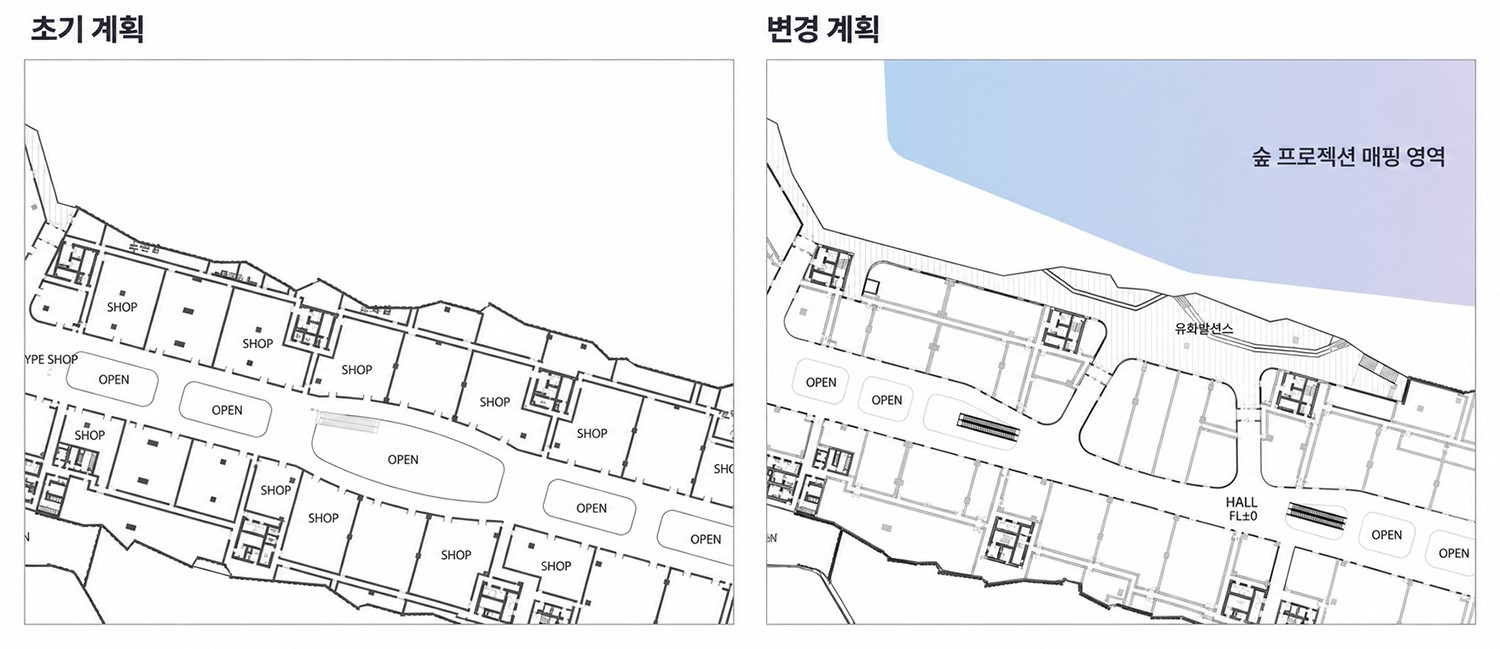
At night, projection mapping tailored to the forest's terrain was designed to turn it into a vast media space. The terraces were planned as places to dine and relax while looking out over the forest by day, and as seating for shows and projections by night.
The operating program, made up of shows, media art, seasonal content, and a year-end countdown, was planned so that the scenes unfolding across the forest change with the seasons and events.
Aurora: a 150-meter media street featuring shows
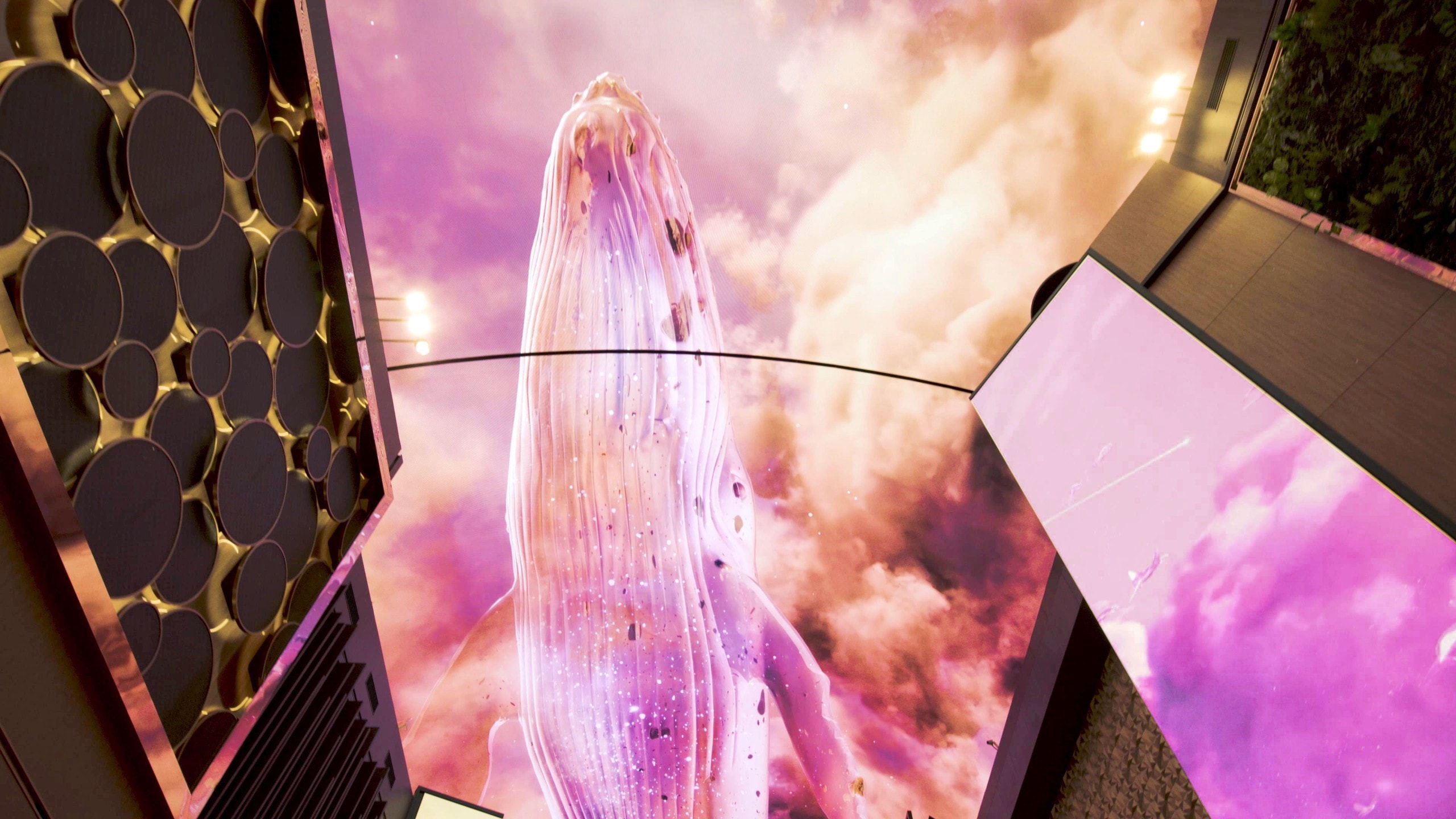
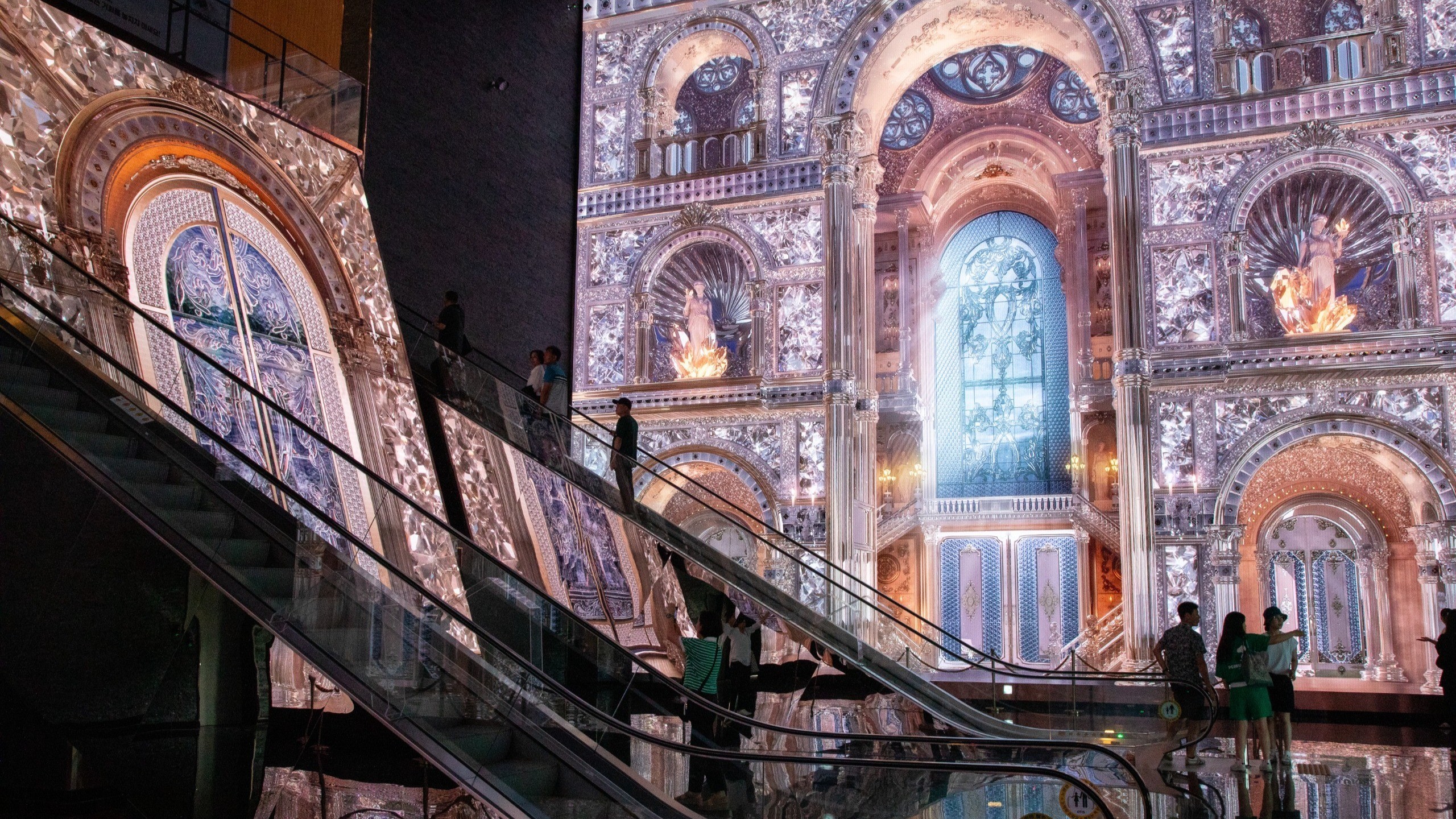
Aurora, the landmark of Inspire Entertainment Resort, is one of Korea's leading examples of media architecture. It is an immersive digital entertainment street whose 150-meter ceiling and tall walls are covered with ultra-high-definition LED. Video and shows unfolding along the ceiling and walls make visitors feel as if they have stepped inside the scene.
Working with Hyundai Futurenet, Apollon was responsible for the project's operating strategy and operating plan, as well as content production. Building on the developer's architectural and hardware design, Apollon set out a long-term operating roadmap and created a shared world for the space and its content. It designed the program to run in seasons built around shows, as in Las Vegas, and shaped the scenes visitors experience by composing shows, art, seasonal content, and operating programs.
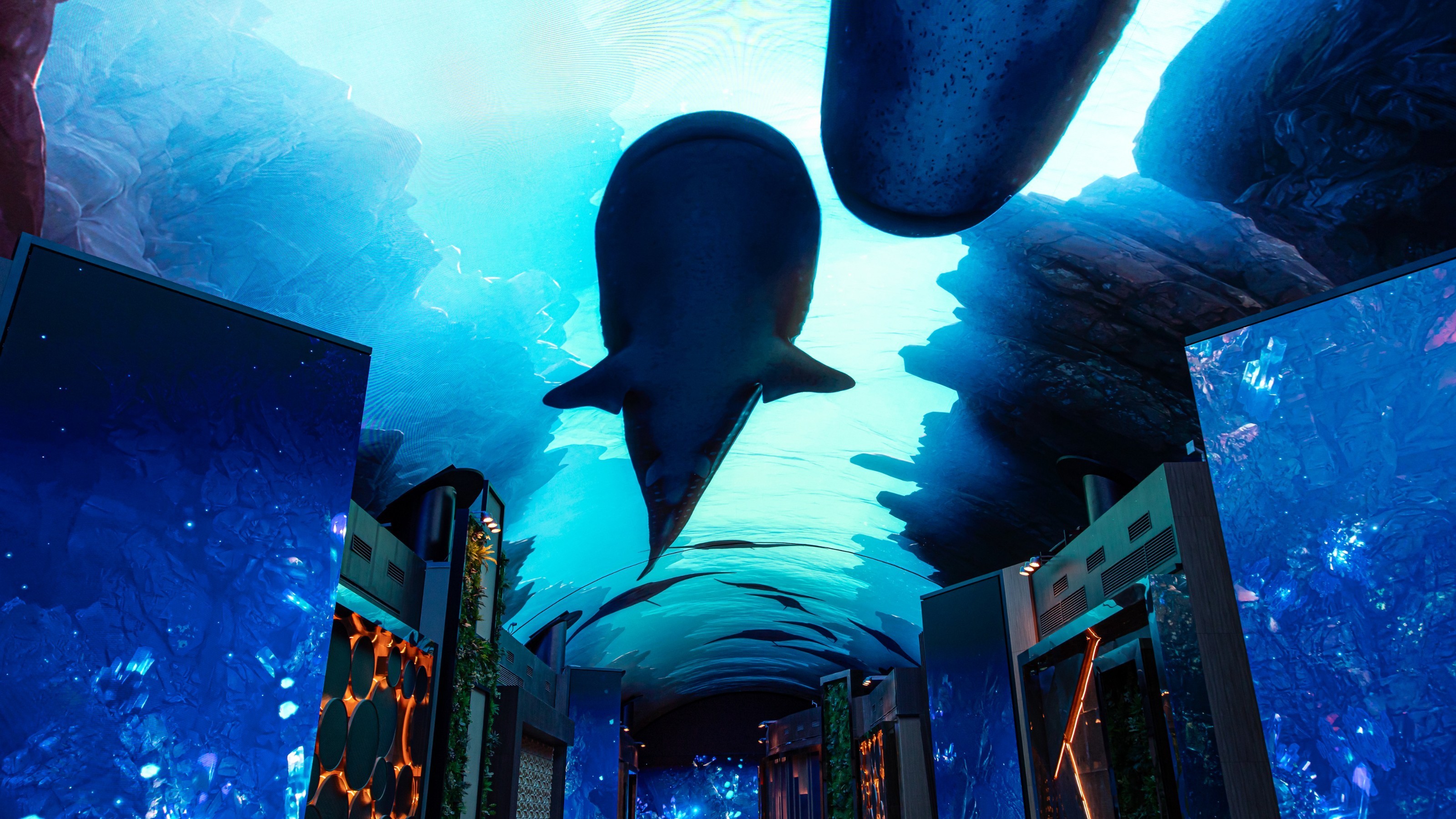
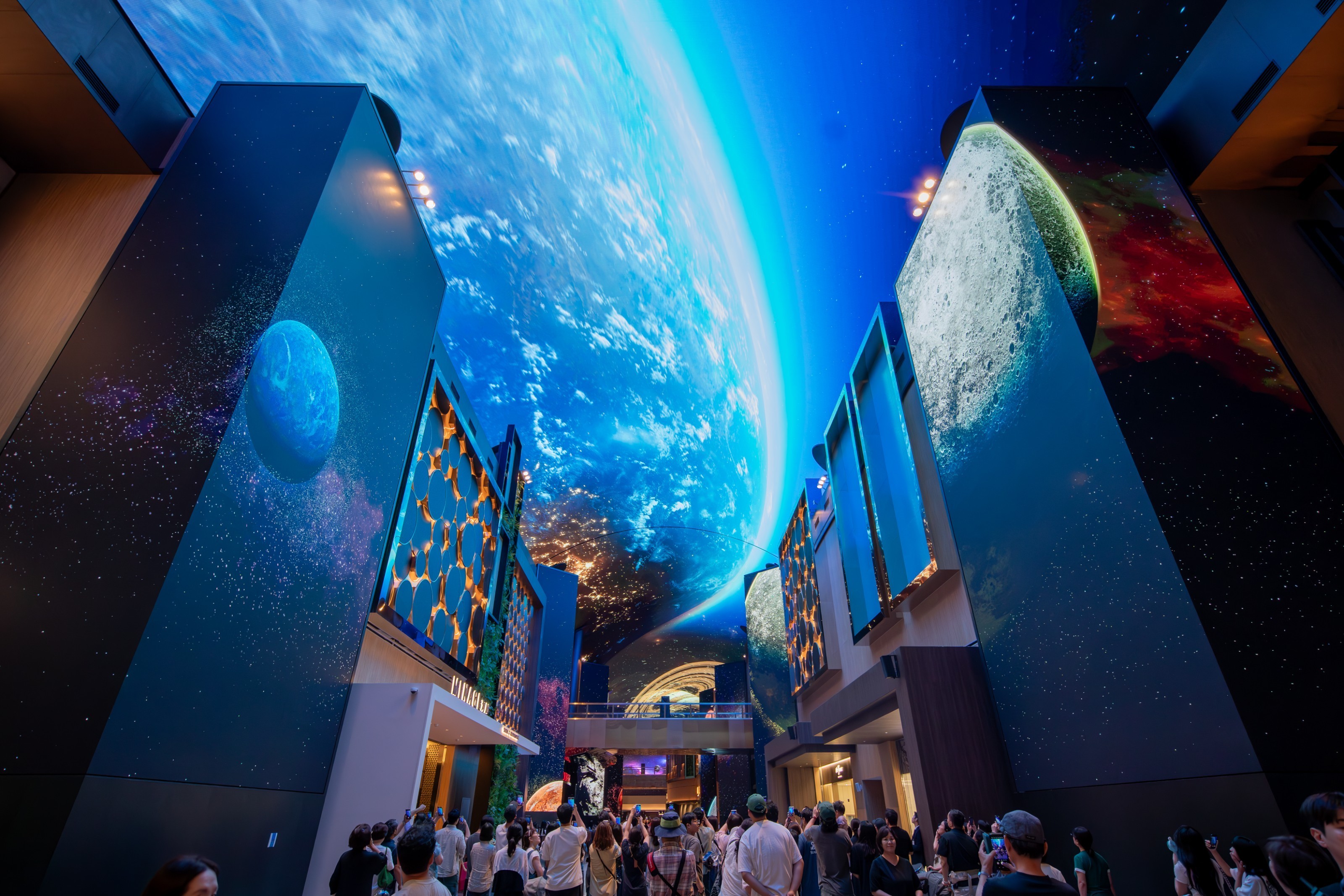
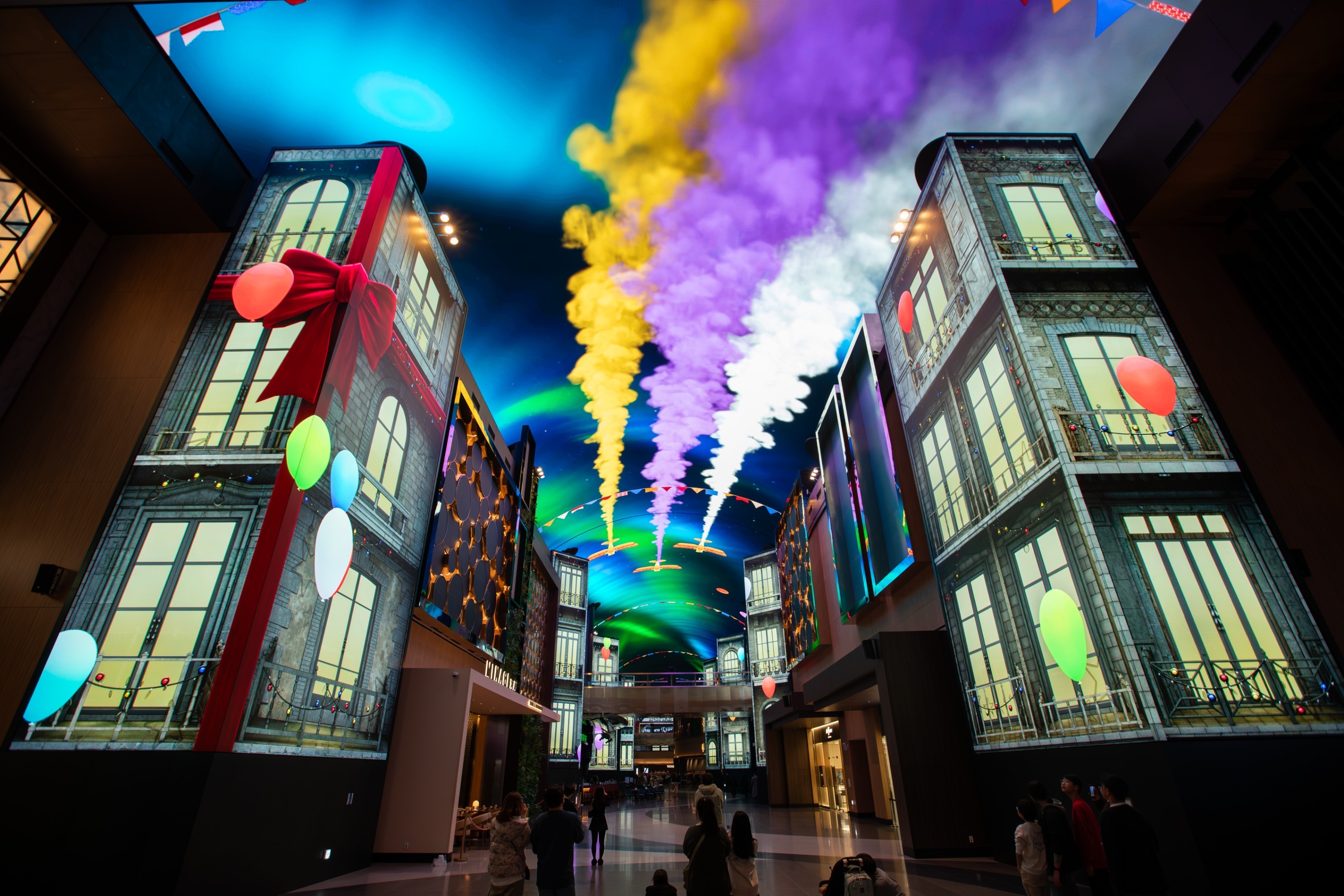
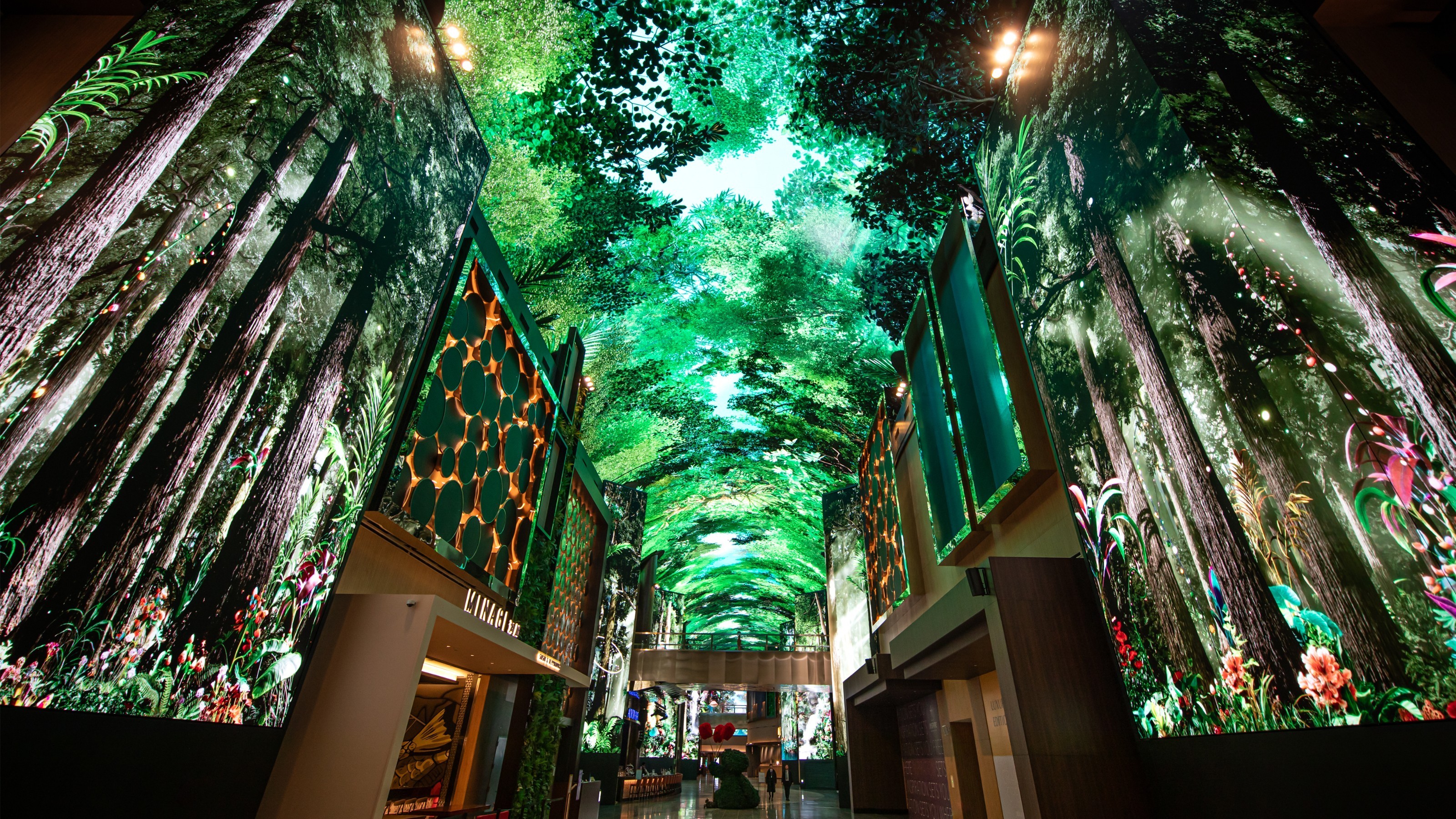
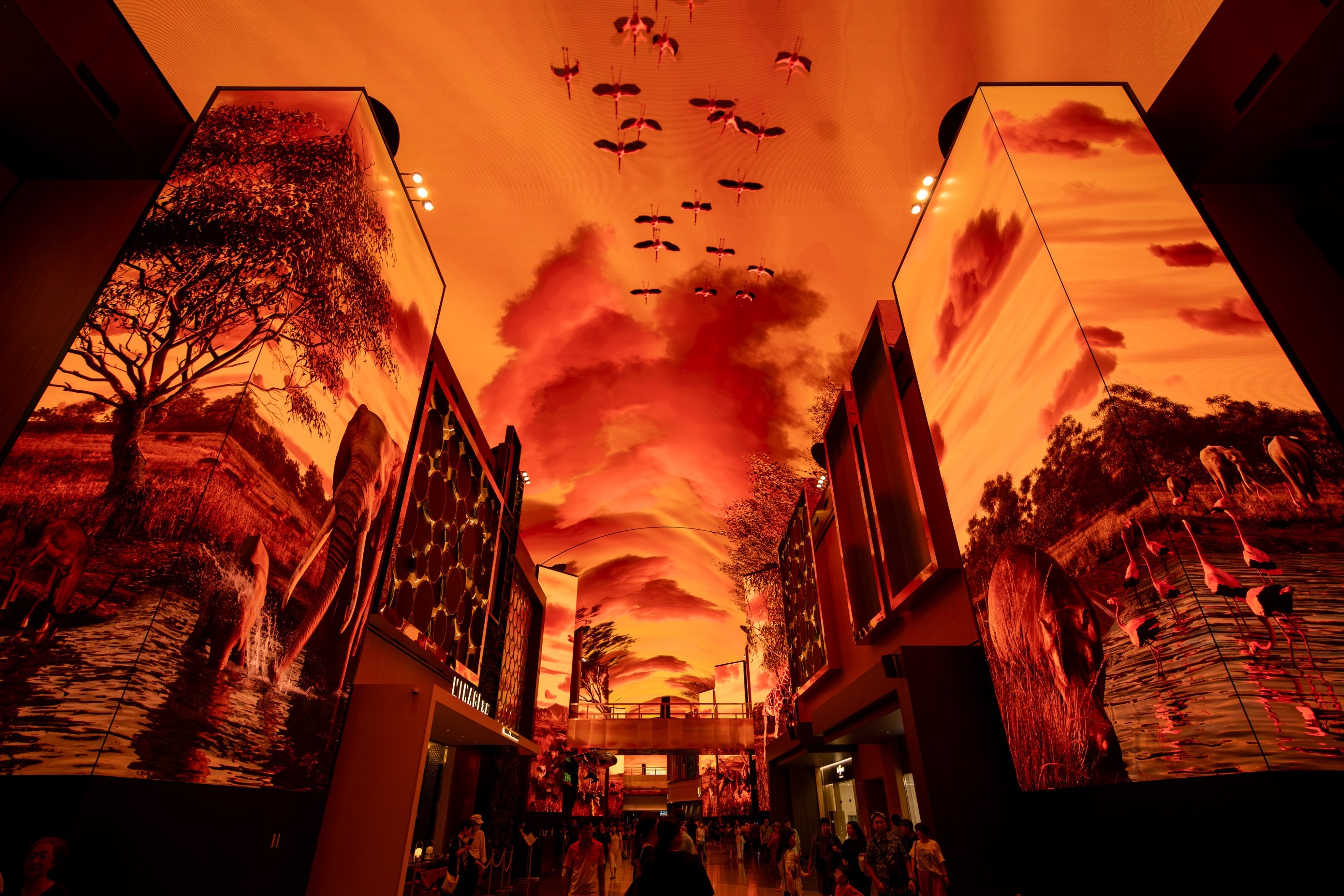
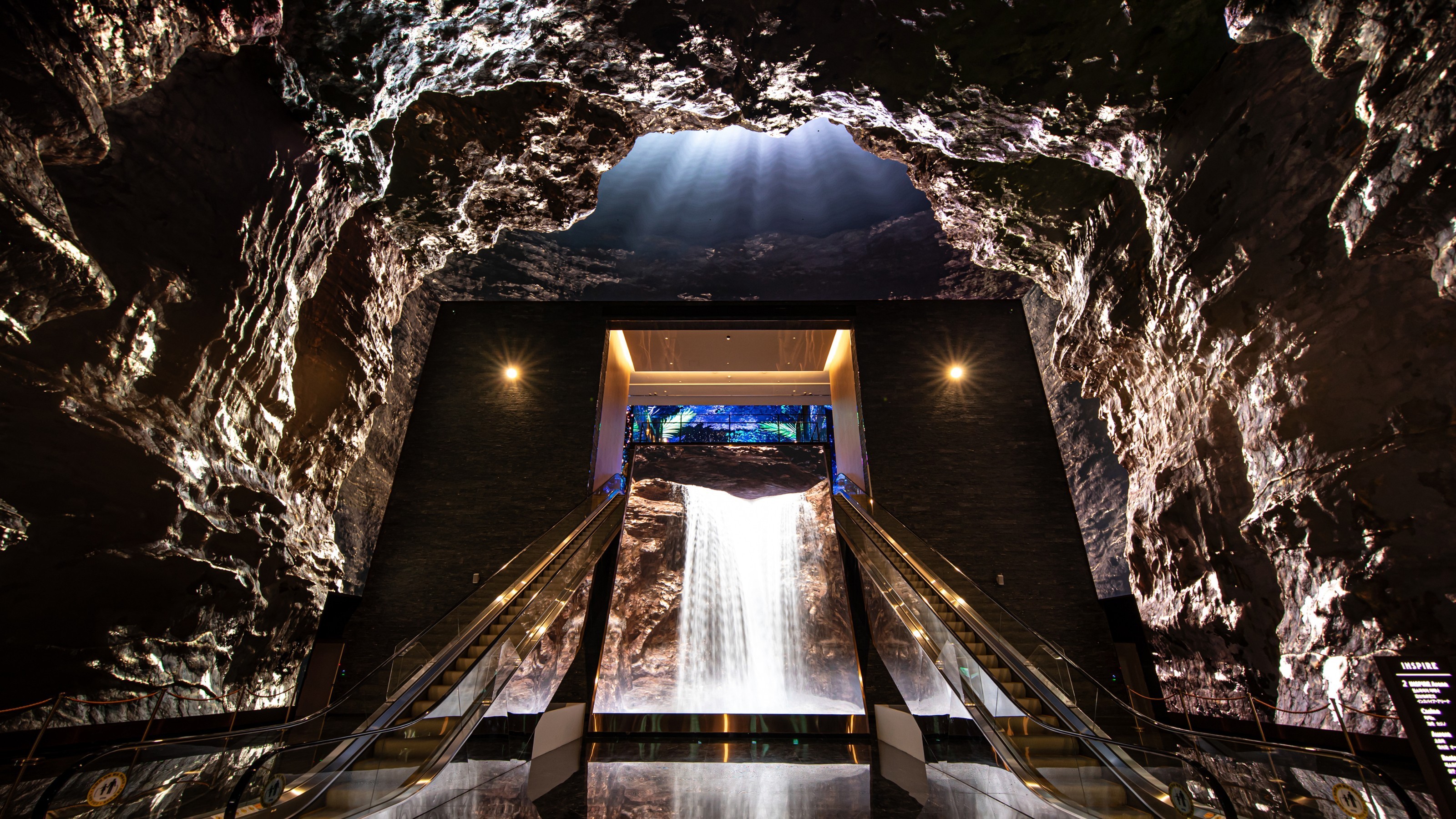
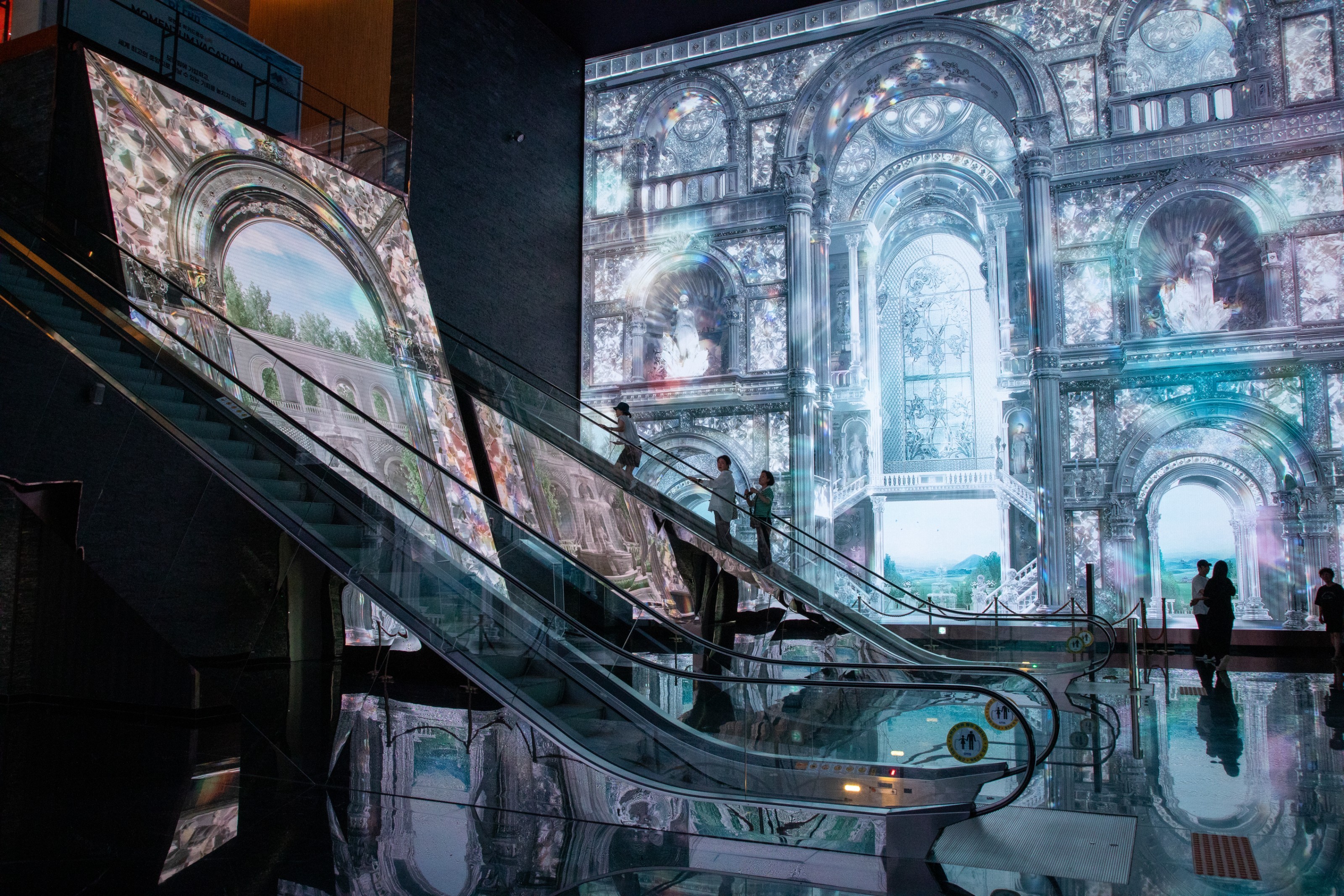
Under Inspire Resort's vision of becoming Korea's answer to Las Vegas, Aurora was planned from the earliest stage of tenant planning as a digital anchor tenant that would give people a reason to visit. At the project level, the building's form and scale were set to match this strategy, and everything from the media hardware to the content was designed and delivered under the single concept of Aurora.
According to Inspire's announcement in February 2025, the resort as a whole welcomed about 5 million cumulative visitors in just over a year after opening. Social media mentions of Inspire-related keywords also exceeded 80,000 in 2024.
The media architecture process
The designs for Nature Wow and Floating Garden, and the completed Aurora, have one thing in common. At the project level, architecture and media were considered together from the early planning and schematic design stages, with a digital anchor tenant as the goal. Because the experience that would draw people in and keep them there was decided first, the building's form and scale, its uses, and its circulation could be planned to fit.
Media architecture design is still possible during design development, construction documentation, or construction. But the more the building's form and uses are fixed, the less scope there is for adjustment. Considering media from the architectural concept stage makes it possible, within the same budget, to shape viewing areas, circulation, and surrounding facilities around the experience. That, in turn, can change the value of the space as a tenant that drives visits and dwell time.
Apollon's media architecture design proceeds in three stages.
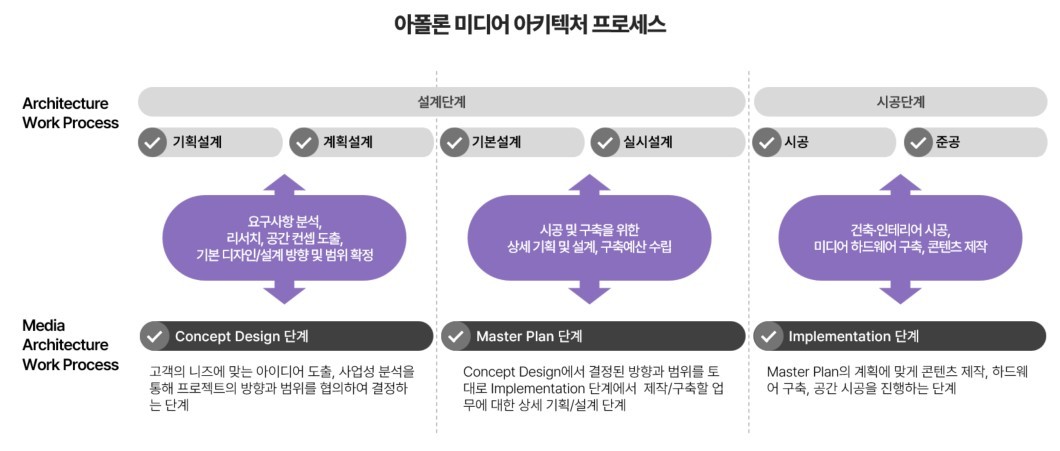
- Concept Design. Define the purpose of the space and the experience it should deliver, and review the direction, scope, and commercial feasibility of both architecture and media.
- Master Plan. Plan the space, media technology, and content program in detail, and set the implementation budget.
- Implementation. Carry out content production, hardware installation, and construction with specialist partners in each field.
Apollon is responsible for architectural planning and schematic design from a media perspective, media hardware design and implementation, and content planning and production. Architects and construction and technology partners each handle their own areas of expertise. The exact scope of work and the form of collaboration vary by project.
When planning a digital anchor tenant, the first thing to decide is the role media will play in the space and the experience it will offer visitors. Considering this together from the early planning and schematic design stages makes it possible to design the building's form and circulation, the media technology, and the content operations around a single purpose. Media architecture, as Apollon defines it, is a design methodology that carries these decisions consistently from planning through design and implementation.